Notes from site
Fibre in Cornice Work and Occupational Health
This note shares personal observations from roughly 30 years on site and what working life has taught us. Nothing here claims that any material is better or worse in every situation: the properties of the product, the way it is applied and the working conditions can all change the outcome.
Published: · Updated:
How cornice materials changed
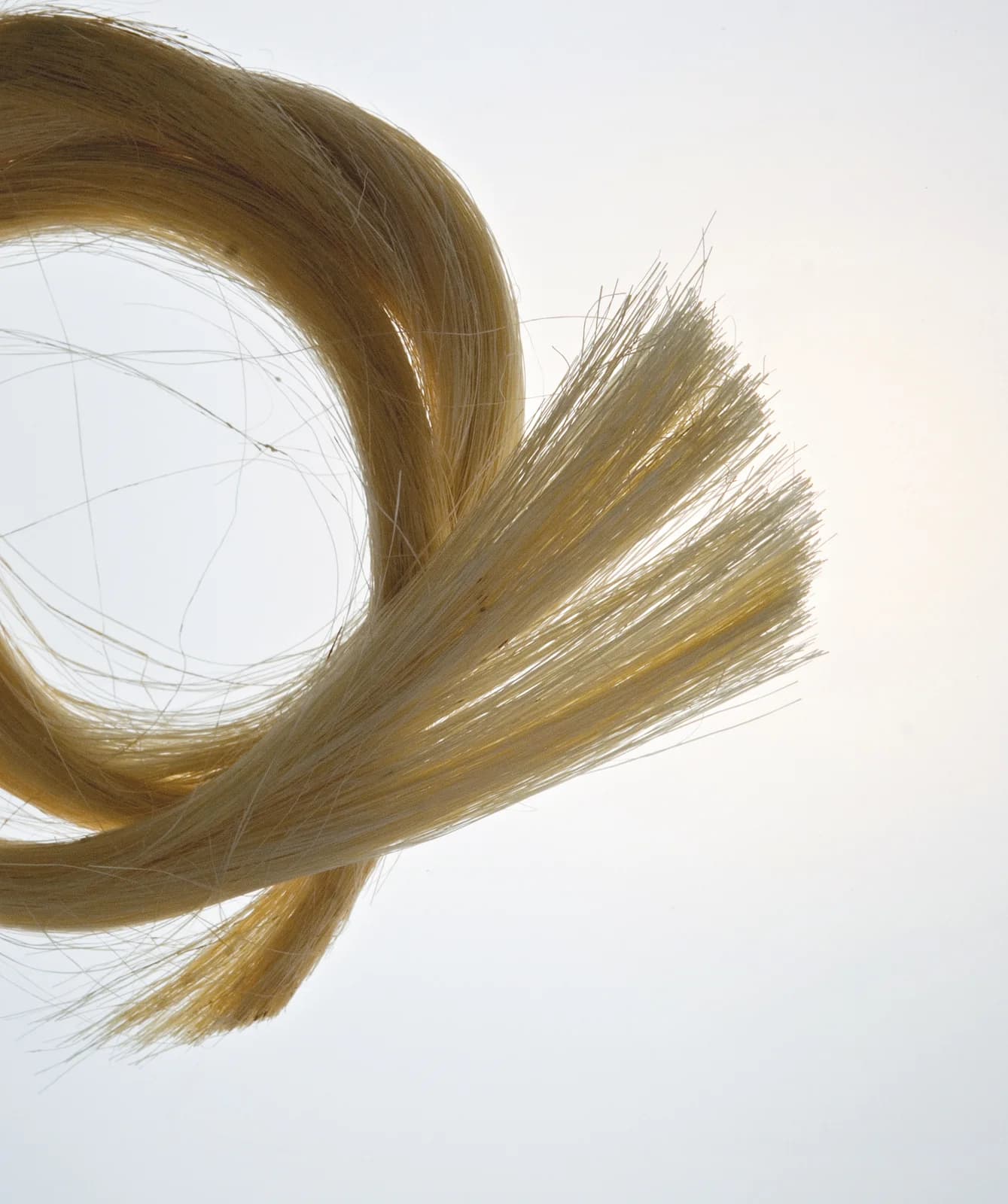
Cornice casting used to rely on natural plant fibres such as sisal. As costs, supply conditions and common practice in the trade changed, synthetic and glass-based fibres came into wider use.
Sisal fibre is harder to find regularly today than it used to be. Fewer craftsmen use it and some suppliers no longer stock it consistently, so it is both harder to source and more expensive. Even so, we are still looking for a suitable sisal supplier.
From roughly 30 years on site we have observed that some cornice cast with natural sisal fibre gave better results in strength and service life. That is our own observation on site; it should not be taken as a single scientifically valid conclusion for every product and every application.
Working with glass and synthetic fibre
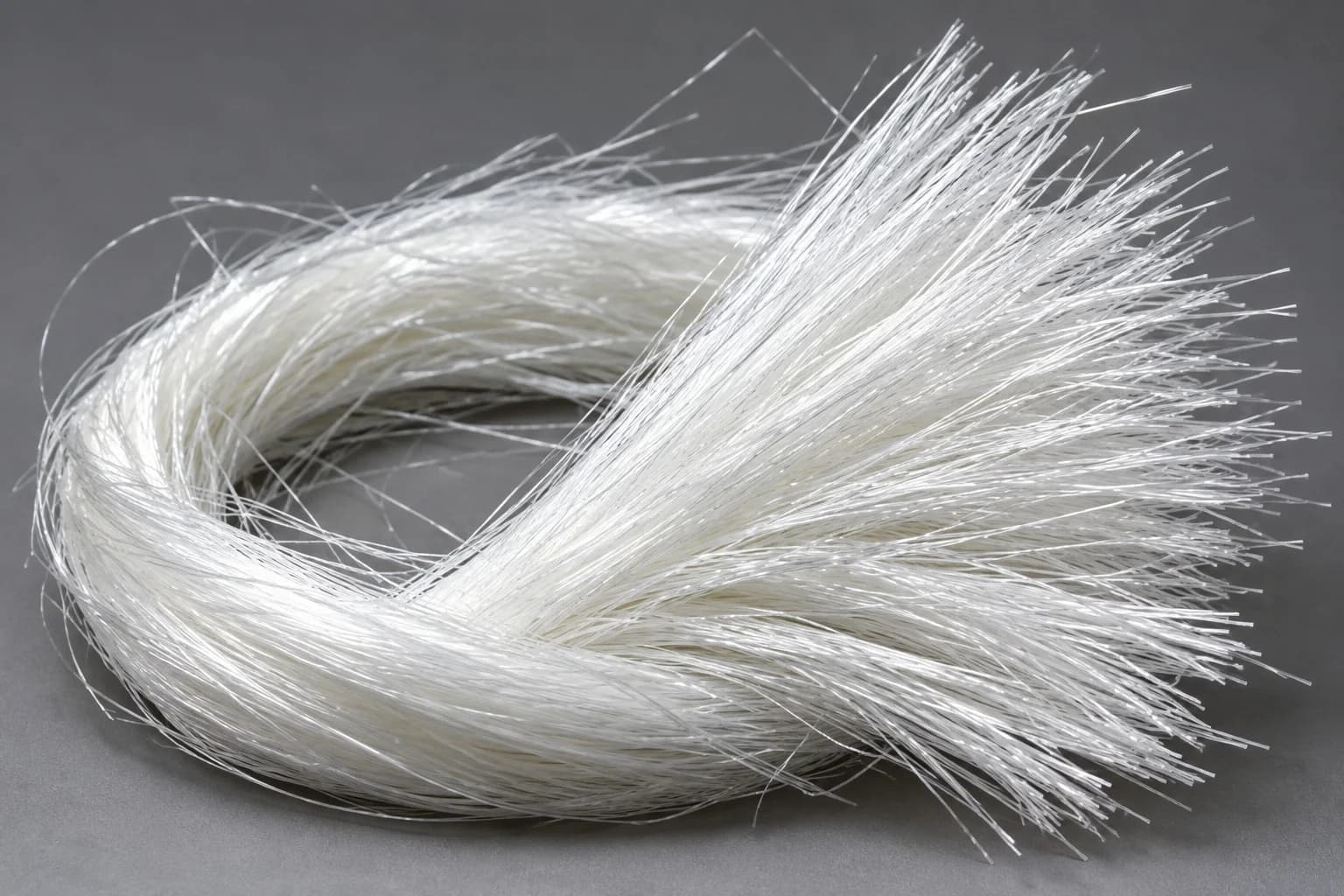
Various synthetic or glass-based fibres are used today in cornice and similar work. They can offer practical advantages, and some of them are easier to obtain.
But the dust and fibre particles created when working with them are something we have to pay separate attention to on site.
With glass fibre in particular, we experience prickling, burning and irritation on the skin. Because those particles can reach the eyes, the skin and the airways, we believe the work area should be kept as controlled as possible.
One of the methods we use to reduce dust is to dampen the fibre with a little water before application. We see that it helps reduce dust; we also know that it does not remove exposure altogether.
Why we are careful about silica and occupational health
An important distinction first: we do not treat fibrous glass and crystalline silica as the same thing.
Silicosis linked to silica exposure is associated with breathing respirable crystalline silica particles. So without knowing whether a particular fibre we use, or the dust in the work area, contains crystalline silica, it would not be right to state flatly that “this material causes silicosis”.
The point we want to make is simpler: we have worked in dusty environments for years, and we do not always know from laboratory analysis what the dust from different materials contains. That is why we do not want to ignore the possibility of long-term occupational exposure.
To date no worker in our team has been diagnosed with silicosis. We do not think that removes the risks that may arise in future. In occupational health the right approach is to reduce exposure as far as possible rather than wait for a problem to appear.
So it matters to us to keep dust down in the work area, use suitable personal protective equipment, pay attention to ventilation, and know as much as we can about the technical properties of the materials we use.
Why we are sharing this
We did not write this to run down one material or to promote another.
We want to describe openly the material changes we have met on site over the years, why we are still looking for sisal fibre, and why we want to be more careful about the exposure of the people doing the work.
Good workmanship, to us, is not only how the finished job looks. It also means knowing the material, choosing the product that suits where it will be used, and caring about the conditions the people doing the work are in.
At Ekin Dekorasyon we will continue to consider the intended use, technical properties, site conditions and relevant standards when choosing materials.
In short
- The fibre used in cornice work shifted over time from sisal to synthetic and glass-based products.
- Sisal has become harder to source and more expensive; we are still looking for a suitable supplier.
- For the dust and fibres created by glass fibre we try to keep the work area as controlled as possible.
- Silicosis is associated with respirable crystalline silica; it is not the same as fibrous glass, and no firm conclusion is possible without measuring the dust.