Choosing an Interior Contractor in Istanbul: What to Check
On an interior project the most expensive mistake is not the material specification — it is the wrong contractor. The cost of choosing badly is never limited to the price of the work: the schedule slips, the scope drifts, and a second crew usually has to put it right. The checks below, asked during the survey, remove most of that risk.
Published: · Updated:
1. Is the quote written, with a defined scope?
A quote that is only a number is a meaningless number. A written scope is the single document that settles, in advance, every argument that would otherwise happen later.
The following should appear explicitly:
- Which rooms and which surfaces are included — room by room.
- Which system for each: board type, number of layers, whether there is infill.
- Material brand and product (not "plasterboard" but the brand and product name).
- Target surface quality level and paint type.
- Duration — in working days, not calendar days.
- What is excluded: electrics, strip-out, waste, light fittings, cleaning.
- Payment schedule and which stage each payment is tied to.
- Warranty period and exactly what it covers.
2. Who will actually do the work?
The most common problem on interior projects is the subcontracting chain: the firm that quotes passes the work to a crew, and that crew passes part of it on again. Nobody on site is left who can make a decision, and when something goes wrong everyone points at someone else.
The question at the survey is simple: will your own crew do this, or a subcontractor? A subcontractor is not in itself a problem — but who your single point of contact is, and who decides on site, must be in writing.
3. Are the references verifiable?
Photographs are not enough. Images pulled from the internet, stock photography and other firms' work are routinely presented as references.
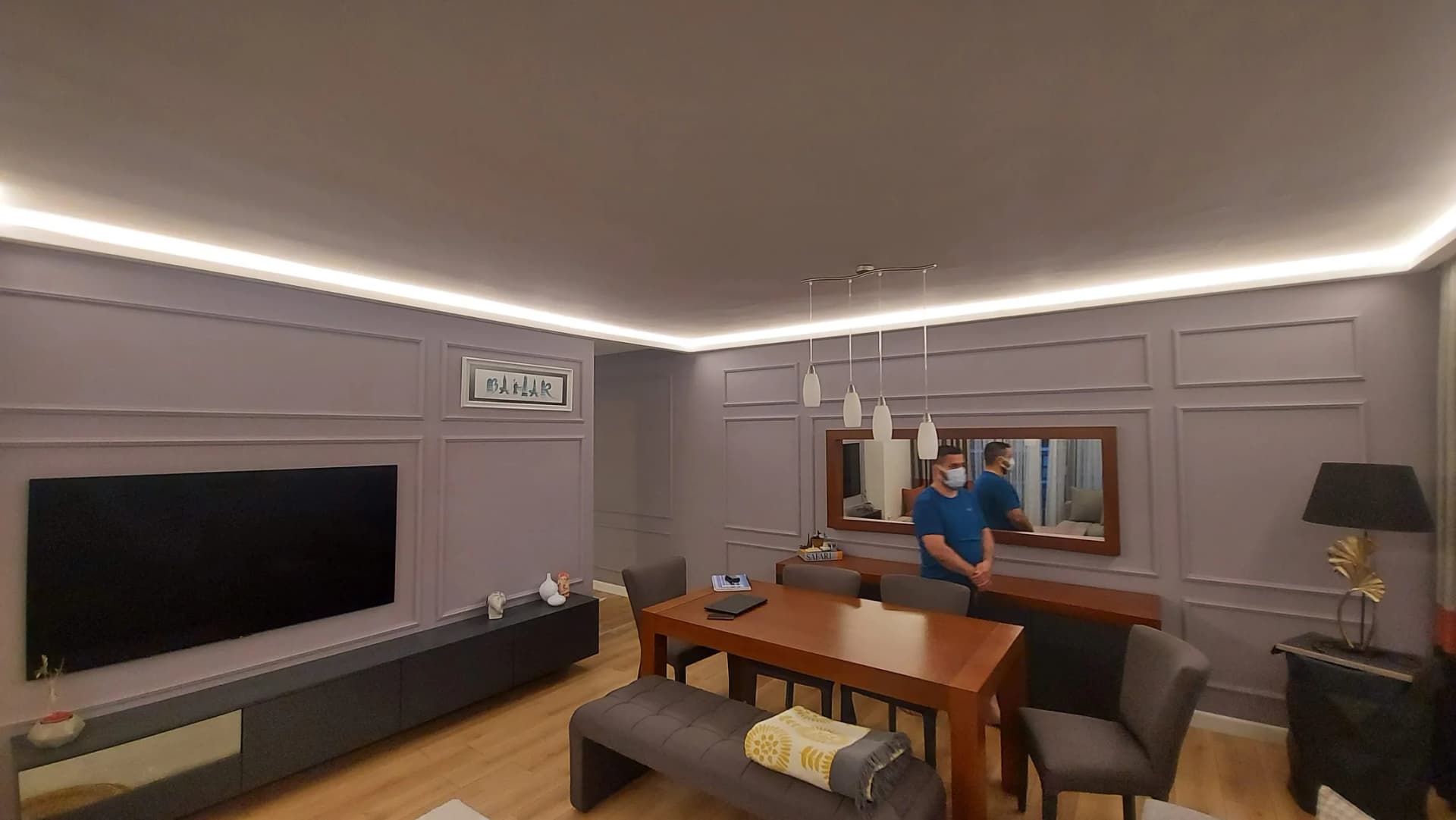
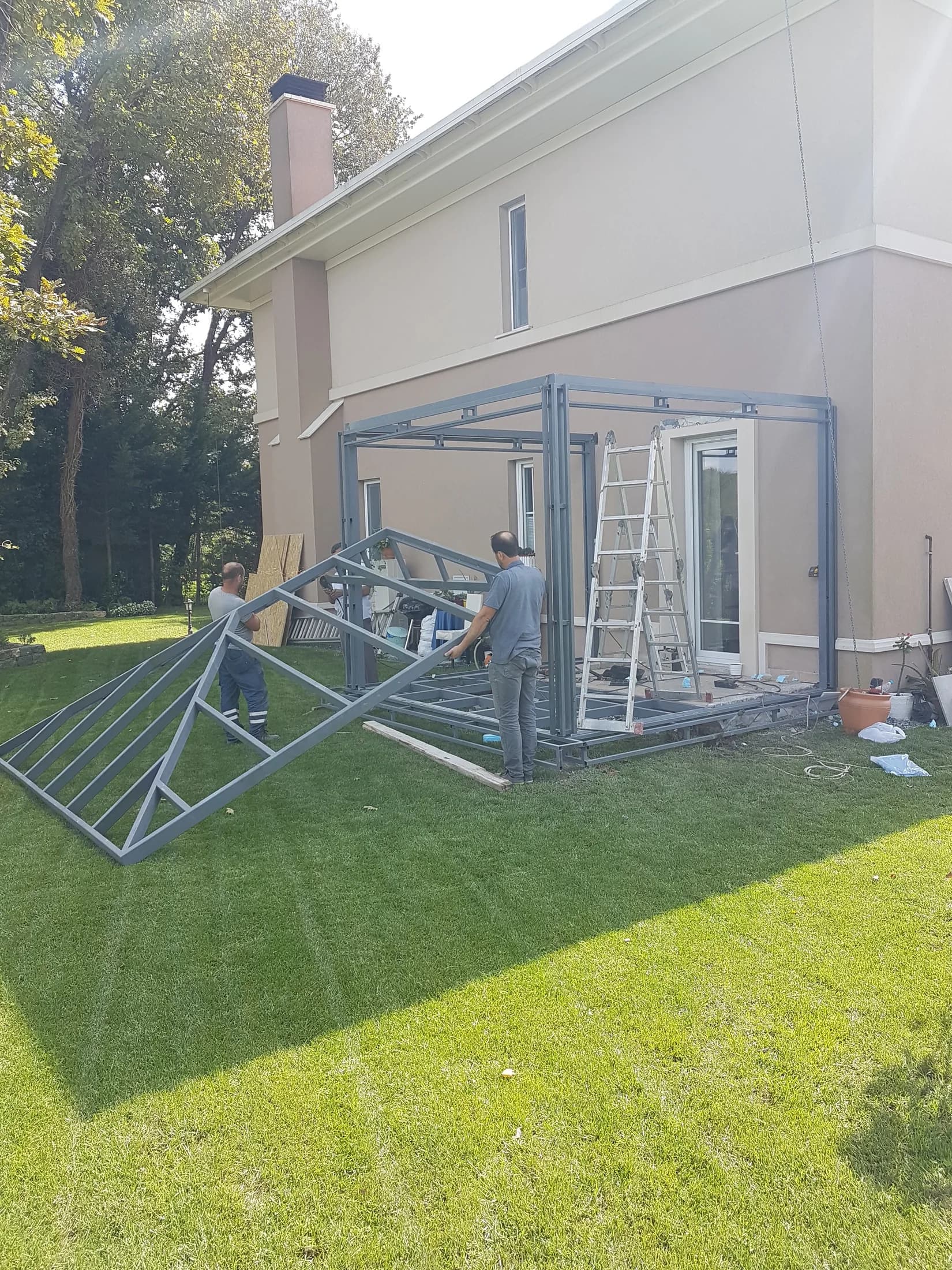
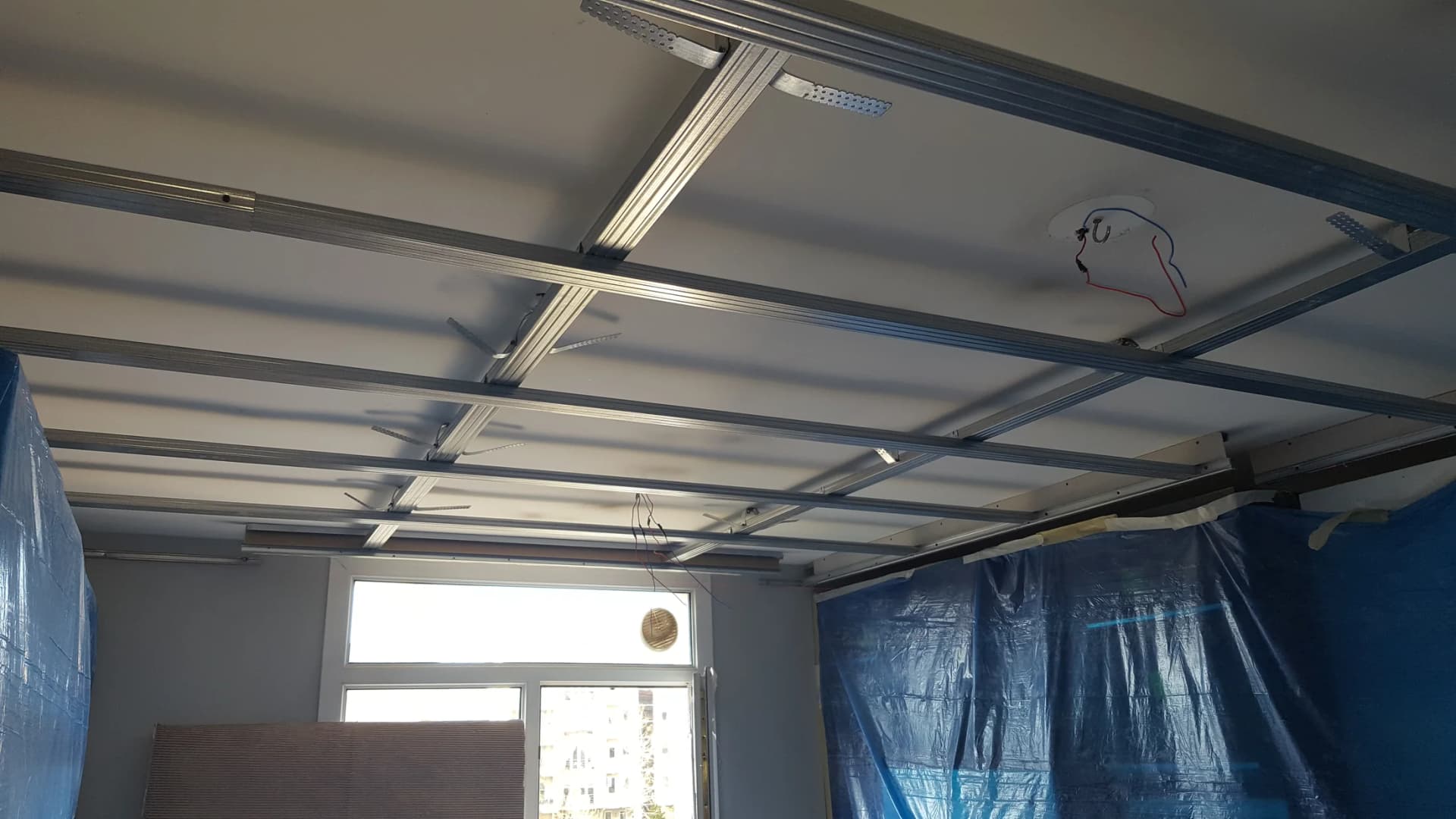
A verifiable reference has three marks: the photographs were taken on the same site as the work progressed; the scope is stated (which service, which type of space); and, if asked, you can speak to the previous client.
- Are there in-progress frames as well as finished ones?
- Can several angles of the same project be shown?
- Is there a Google Business Profile, and do the reviews carry real names?
- Can you be put in touch with the owner of a comparable job?
4. Have the building's own conditions been discussed?
What decides a project's duration — and how peaceful it is — is often the building rather than the flat. A good contractor raises these at the survey; one who does not will probably meet them for the first time on site.
| Item | Why it matters |
|---|---|
| Building management permission and working hours | Sets productive hours per day |
| Lift use and material handling | Duration and labour |
| Waste removal method and permission | Risk of fines and delay |
| Protection of common areas | Avoids disputes with management |
| Notifying neighbours | Scheduling of noisy work |
| Will the home stay occupied | Phasing plan and dust control |
5. Contract and payment
The deposit percentage is the most abused subject in the trade. A healthy structure ties payments to progress: start, an interim milestone, and completion.
A structure that asks for most of the total before work begins leaves you with no leverage for the whole project. Equally, a duration given as "approximate" with no date attached is not a duration at all.
- Payments should be tied to stages, not to dates.
- The final payment should sit after handover and snagging.
- Duration should be written in working days, with the consequence of delay stated.
- How a change of scope will be priced should be defined up front.
6. Warning signs
If any of the following is present, do not proceed without a second quote.
- A firm price given over the phone without a survey.
- No written quote — "we'll agree as we go".
- A figure far below the others; usually it means missing scope.
- No material brand named, only "top quality".
- Invoicing left vague.
- Pressure from a discount that is only valid if you decide today.
- No references, or reference images that also appear elsewhere online.
How we work
We survey and measure free of charge and set out scope and materials in writing. The work is carried out by our own crew, so there is a single point of contact on site. Workmanship within the agreed scope carries a one-year warranty; material warranties follow the manufacturer's own terms.
The photographs on our project pages were taken on our own sites as the work progressed — we do not use stock imagery.
In short
- Compare written scopes, not numbers; a quote without a scope cannot be compared.
- Establish who does the work and who decides on site before you commit.
- A reference that can be verified beats one that merely looks good.
- Tie payments to stages of the work, not to dates.
- A firm price without a survey, and materials described without a brand, are the two clearest warning signs.